Why a Fountain Pen?
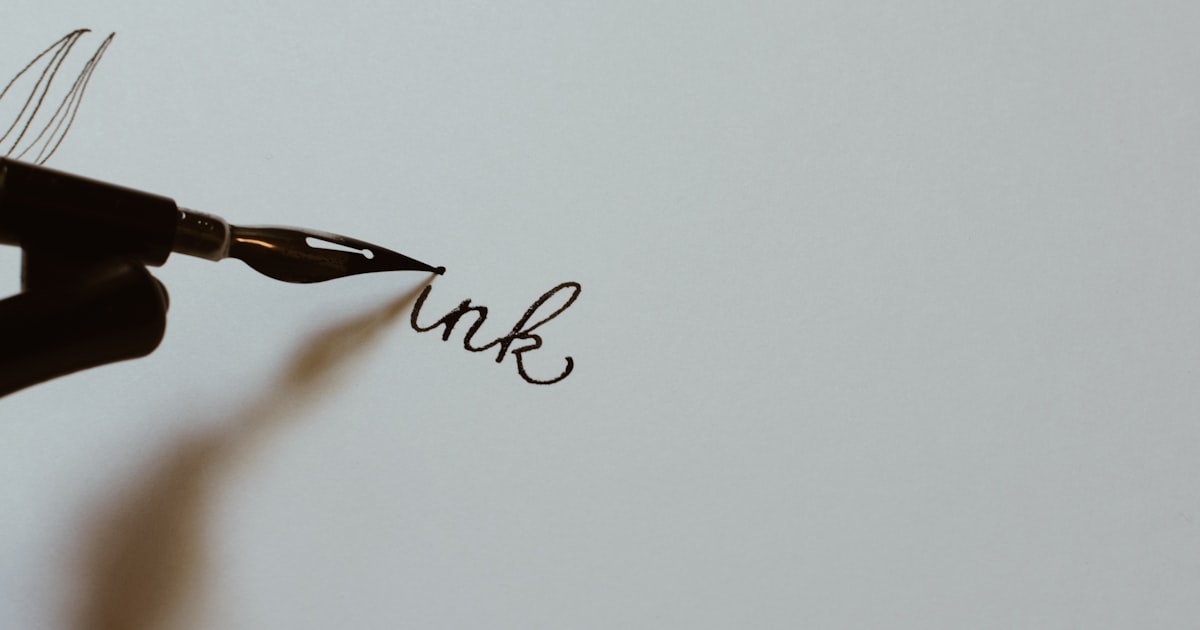
In an age of digital communication, choosing to write with a fountain pen is a deliberate act of slowing down and savoring the moment. A fountain pen rewards you with a writing experience that no ballpoint or rollerball can match: the nib glides across paper with minimal pressure, the ink flows in rich, saturated lines, and each pen develops a unique character as the nib adapts to your hand over time.
Understanding Nib Sizes
The nib is the heart of any fountain pen, and choosing the right size is crucial for your enjoyment. Here is a general guide:
- Extra Fine (EF): Best for small handwriting or detailed work. Japanese EF nibs are finer than Western EF nibs.
- Fine (F): A versatile choice for everyday writing. The most popular size for beginners.
- Medium (M): Slightly broader, showing off ink shading and color. Great for signatures and letters.
- Broad (B): Bold, expressive lines with maximum ink saturation. Best for larger handwriting.
Your First Pen: Our Recommendations
We believe your first fountain pen should be affordable enough to experiment with, yet well-made enough to represent the true fountain pen experience. Here are our top picks:
- Lamy Safari ($38): The world's most popular starter pen. Ergonomic grip, reliable nib, dozens of colors.
- Pilot Metropolitan ($30): Exceptional value with a surprisingly smooth nib for the price.
- Waterman Expert ($135): A step up into proper luxury territory with French design elegance.
- Faber-Castell E-Motion ($135): Tactile, distinctive design with German engineering.
Caring for Your Pen
A well-maintained fountain pen will last a lifetime. Flush your pen with clean water every few weeks or when changing inks. Store your pen nib-up when not in use, and try not to let it sit unused for more than a week with ink in it. Most importantly, write with it often; a fountain pen that is used regularly is a happy fountain pen.
Share this article